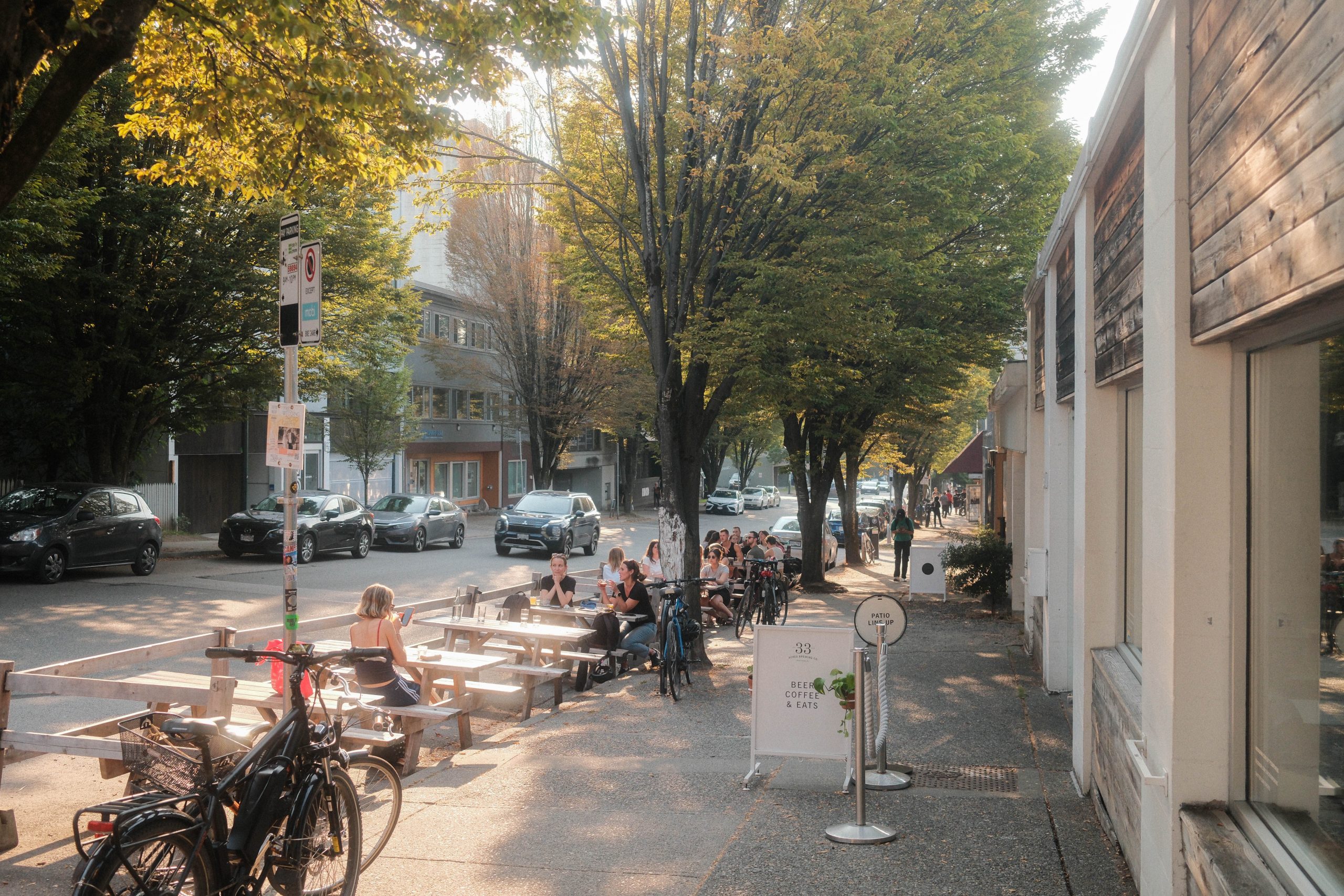
How East Van Retailers are Shaping Vancouver’s Conscious Consumer Culture
Across North America, demand for eco-conscious retailers continues to grow. This movement is particularly evident locally, where a distinct vancouver conscious consumer culture has taken root. In fact, roughly 75% of Canadian consumers saying they are more likely to buy from retailers and brands offering green or sustainable products, while 66% actively support environmentally conscious businesses. Purchasers are not only looking for sustainability labels and claims, they want transparency, local values, and a clearer understanding of where products come from and how they’re made.
Around East Vancouver, sustainability shows up with less through flashy marketing campaigns and more through everyday habits; refilling containers, buying seasonally, choosing natural fabrics that last, and trusting the people behind the counter. Main Street has seen this shift, some businesses helped establish those habits earlier on, while others arrived more recently carrying the same values into fashion, food, and everyday essentials.

The Soap Dispensary and Kitchen Staples
The Soap Dispensary, was one of the first to shape the eco-conscious model to Main Street. A bulk goods refill shop in Vancouver’s Mount Pleasant neighbourhood, has been here since 2011, well before refill culture became wrapped up in minimalist packaging.
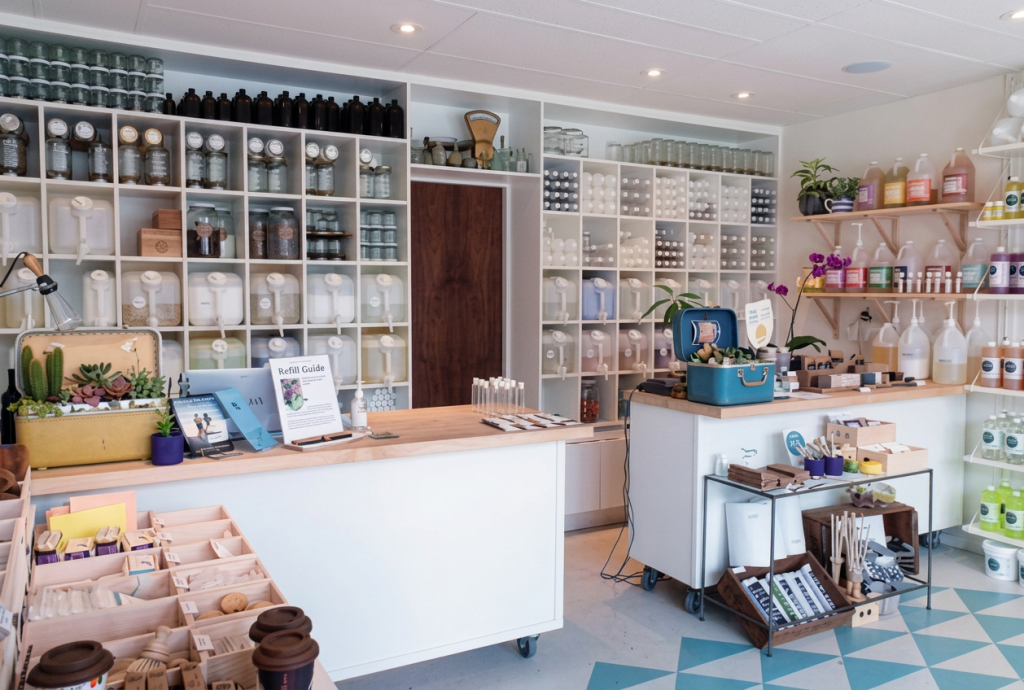
Founders Linh Truong and Stewart Lampe opened the store after relocating from Victoria, where refilling household goods into your own containers already felt daily routine. In Vancouver, they found almost nothing comparable, so they opened a store built around the idea.
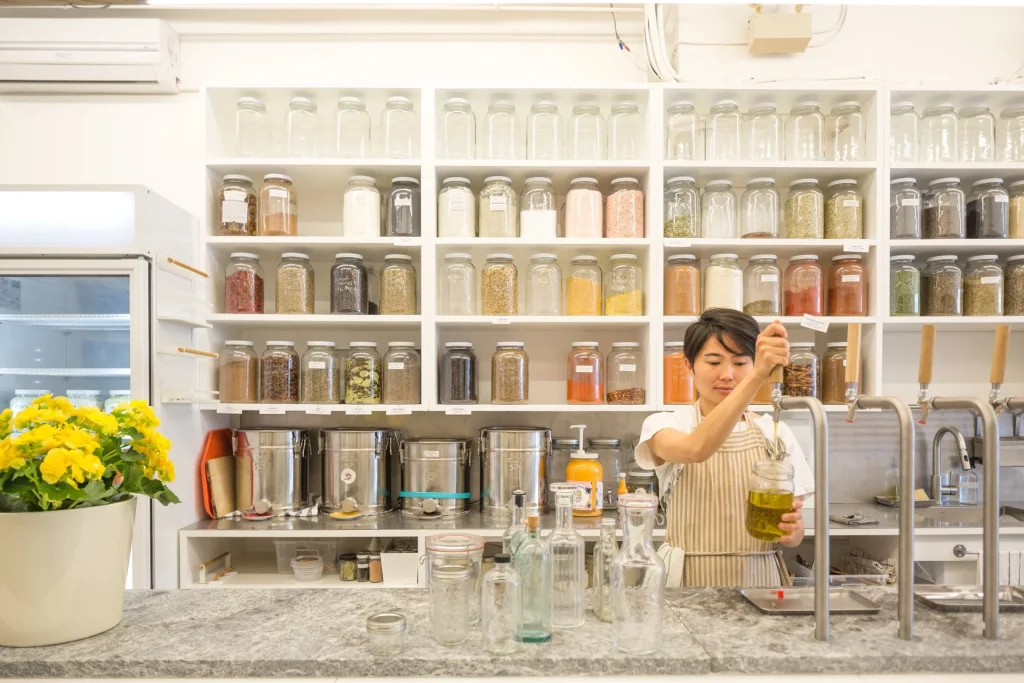
Today, more than 800 bulk products line the shelves: dish soaps, laundry detergent, shampoo, DIY ingredients and pantry staples. Customers arrive carrying mason jars, glass bottles tucked into tote bags and the process explains itself once you’re inside.
The store has never leaned heavily on lifestyle messaging, instead it runs like a well-stocked hardware store. You’ll find a functional and unhurried experience with no lifestyle positioning on display. Later, in 2017 the Kitchen Staples shop opened up, adding bulk groceries and fresh produce to the mix. The expansion felt like a natural extension of what was already there rather than an attempt to turn it into something new.
The Fish Counter
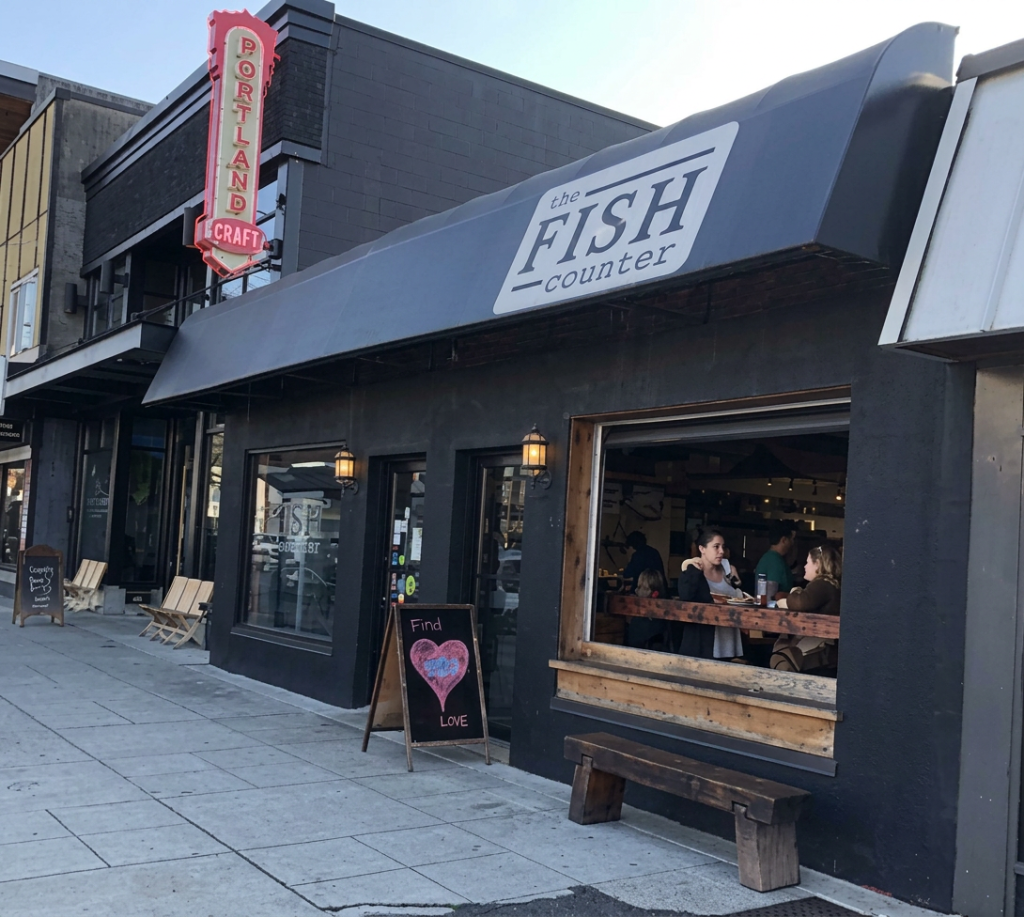
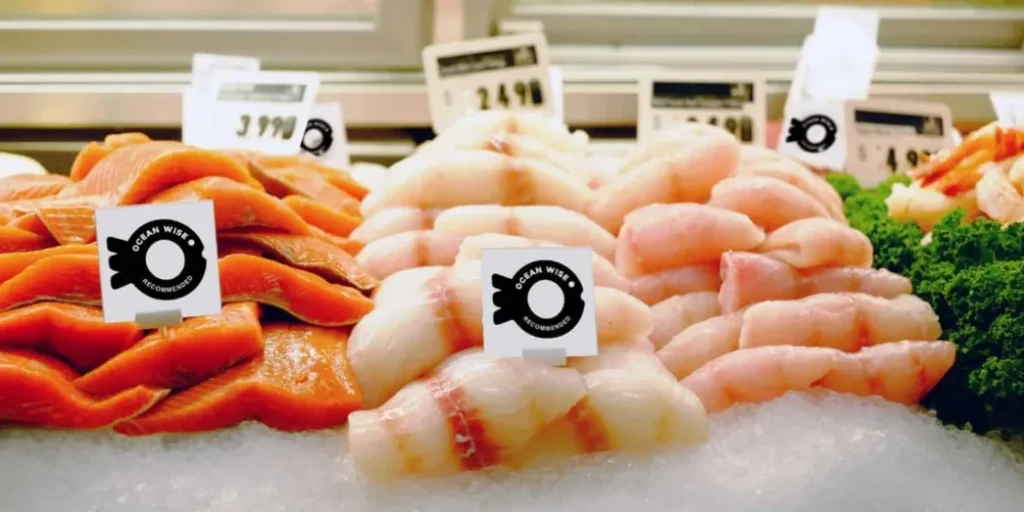
A few blocks north, The Fish Counter approaches sustainability from the seafood side of the conversation. The Fish Counter has a founding story you’ve probably already heard of if you’ve visited a few Vancouver restaurants. Rob Clark and Mike McDermid, are also the two people behind the Ocean Wise programme, the certification that changed how a generation of Canadian chefs thought about sourcing seafood. The Fish Counter is where that thinking comes down to street level and into your home. Inside, reclaimed scaffolding planks, century-old beams, and timber salvaged from the original Woodward’s building run throughout the space. The room feels like a proper Vancouver seafood spot: part fish market, part old school lunch counter and they do a golden ling cod and chips and oyster po-boy that are worth making a trip for. McDermid has described it as a farmers market for seafood. Sustainable seafood only works when people stop expecting the same species year-round, and the menu reflects that reality. That flexibility sits at the centre of the restaurant’s approach to sustainability and reflects a broader shift in how many people in Vancouver now think about seafood consumption.
Kotn
Compared to the other two shops, Kotn is newer to Main Street. The Toronto-based brand opened its Vancouver storefront in 2022, bringing a more restrained version of fashion to the neighbourhood. The space is pared back and minimalist, letting the clothing take the spotlight rather than the store itself. Kotn built its reputation on well-made basics and the idea that people should buy fewer pieces that hold up over time.
What separates the brand from a lot of sustainable fashion brands is how directly they explain their supply chain. Kotn works with cotton farming communities in Egypt, focuses heavily on natural fibres, and avoids synthetic-heavy fabrics that shed microplastics into waterways. Their approach to traceability and fair pay is also refreshingly straightforward.
None of these businesses really resemble one another, which is what makes Main Street unique. One sells refillable dish soap, another fries ling cod, another makes heavyweight cotton t-shirts. What connects them is a shared resistance to disposable consumption and a practical approach to sustainability that has shaped East Vancouver retail culture for years.
The Soap Dispensary and Kitchen Staples
Website:
thesoapdispensary.comAddress:
3718 Main St, Vancouver, BC V5V 3N7Hours: Monday-Friday: 10am-7pm, Saturday & Sunday: 10am-6pm
Known For: Insiders know that you can completely bypass new container purchases by raiding their community-donated, meticulously sterilized free jar basket tucked neatly near the weighing station.
The Soap Dispensary and Kitchen Staples stands as a testament to the local scene’s distinct personality and dedication to quality. Whether you’re a long-time resident or a first-time visitor, the space offers a curated experience that reflects the neighborhood’s current energy. It serves as a perfect touchpoint for those looking to immerse themselves in the local lifestyle, offering a blend of intentional design and authentic hospitality that makes it a natural addition to any curated itinerary.
The Fish Counter on Main St.
Website:
the-fishcounter.comAddress:
3825 Main St, Vancouver, BC V5V 3P1Hours: Monday-Thursday: 11am-6:30pm, Friday-Sunday: 11am-8pm
Known For: Regulars bypass the standard menu for their celebrated, entirely dairy-free and gluten-friendly clam chowder, a culinary feat that sacrifices none of the rich, traditional texture.
Whether you’re a long-time resident looking for dinner or a first-time visitor chasing an authentic taste of the coast, the space offers a curated culinary experience that reflects the neighborhood’s current energy. It serves as a perfect touchpoint for those looking to immerse themselves in the local lifestyle, offering a blend of intentional design and authentic hospitality that makes it a natural addition to any curated itinerary.

Kotn on Main St.
Website:
kotn.comAddress:
3743 Main St, Vancouver, BC V5V 3N8Hours: Daily: 11am-6pm
Known For: Main Street style insiders know to track their community event calendar, as the shop frequently empties out its lounge to host intimate, after-hours poetry readings and acoustic sets for local Vancouver creatives.
Kotn’s storefront beautifully captures Main Street’s shift toward mindful, high-design urban living. Whether you are hunting for the perfect wardrobe staple or simply exploring Vancouver’s boutique landscape, the space offers a masterclass in modern, transparent retail. It anchors the neighborhood’s creative energy, making it a seamless pitstop for anyone looking to connect with local craftsmanship and authentic, community-first hospitality.