What’s in a Name? The Surprising History of Liberty Village
What’s in a Name? The Surprising History of Liberty Village
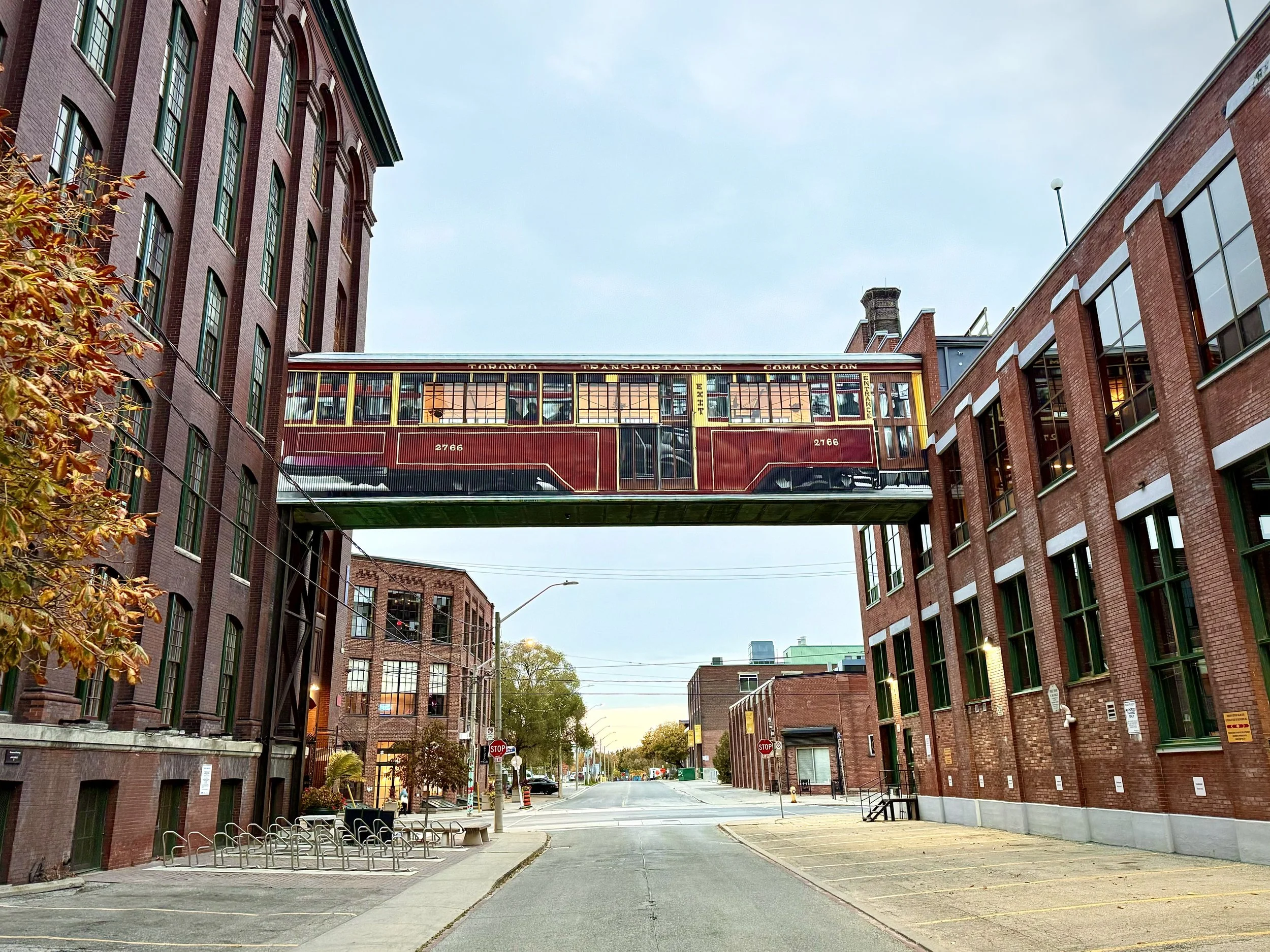
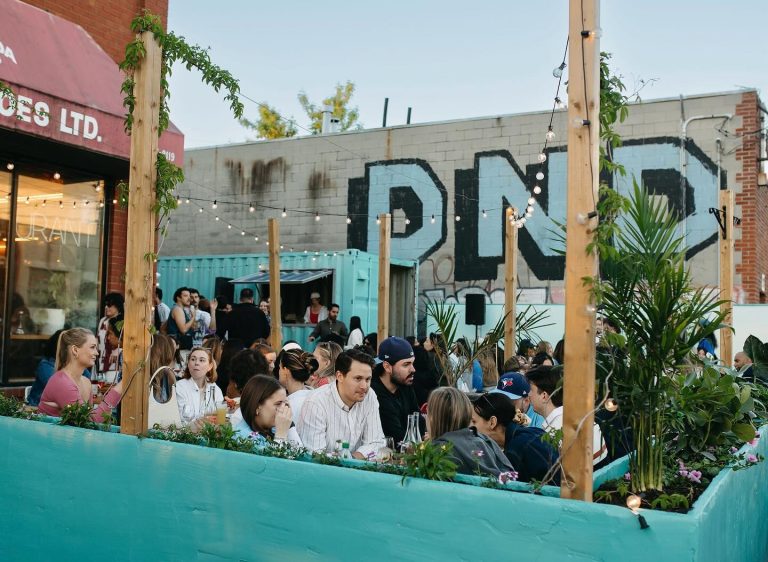
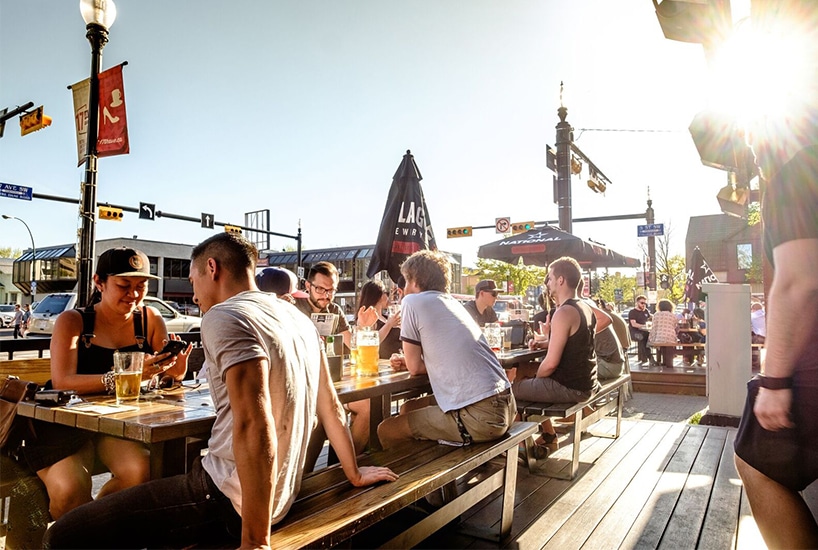
Step onto a modern patio in Liberty Village and the contrast hits you immediately. Glass-walled Toronto condos soar above the heavy, red-brick facades of 19th-century factories. Today, thousands of young professionals treat this neighborhood as a creative sanctuary, a walkable enclave where the city’s pulse beats loudest.
However, the history of Liberty Village reveals a much darker past. If you stepped back 130 years, you would find a desolate landscape defined by iron bars and high stone walls. This wasn’t just another industrial district; it was a site of confinement.
Our story begins with a name that everyone knows, but few truly understand.
The Story of the Name: Reclaiming Freedom on Liberty Street
Newcomers often view the name Liberty Village as clever real estate marketing, an aspirational brand for a “live, work, play” lifestyle. In reality, the name carries a much more literal, historical weight.
In the late 1800s, the Toronto Central Prison (est. 1873) dominated this land. Inmates spent their days in grueling industrial labor, manufacturing everything from furniture to heavy machinery. Just to the north, the Andrew Mercer Reformatory for Women enforced a strict, controversial social code.
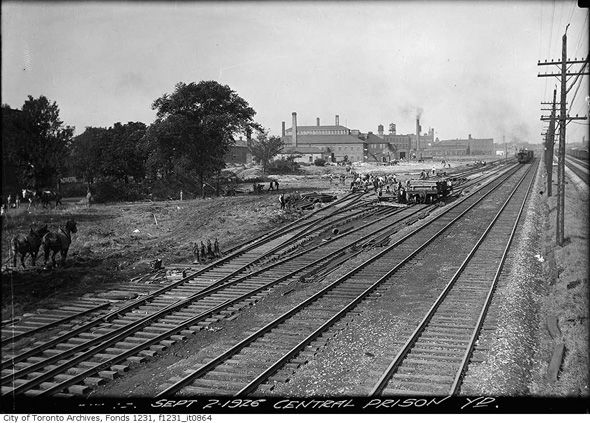
The name “Liberty” emerged from the prison gates. When the state finally released an inmate, guards handed over their belongings and pointed them east. The very first path these individuals walked as free citizens was Liberty Street. For them, that stretch of road represented their first taste of freedom. Eventually, the entire modern neighborhood adopted this name to honor that transition from confinement to independence.
Building the Neighborhood: From Hard Time to “Hard Lofts”
As the era of urban prisons faded, industry took over. Three major railway lines isolated the area, creating a perfect, private pocket for massive manufacturing plants.
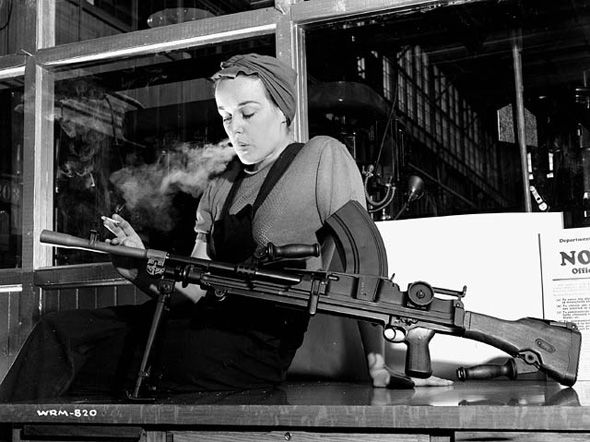
For decades, the coal smoke of the John Inglis Co. and the Massey-Harris agricultural plant filled the air. During WWII, the Inglis plant pivoted to produce Bren machine guns, turning Ronnie the Bren Gun Girl into a national icon. These companies built the iconic red-brick structures we admire today, like the Toronto Carpet Factory, not for beauty, but for sheer industrial utility.
When manufacturing moved to the suburbs after the war, Liberty Village became a gritty wasteland of empty warehouses. However, the 1980s sparked a second rebirth. Artists and visionaries reclaimed these massive spaces, transforming them into “hard lofts” with 14-foot ceilings. The Liberty Village development plan of the early 2000s finished the job, replacing old prison yards with the sleek condo towers that now define the Toronto skyline.
Liberty Village Today: The Pulsing Front Porch to the World
Today, a vibrant, youthful energy surges through the streets. Tech startups, ad agencies, and design studios now occupy the same buildings that once housed heavy steam engines.
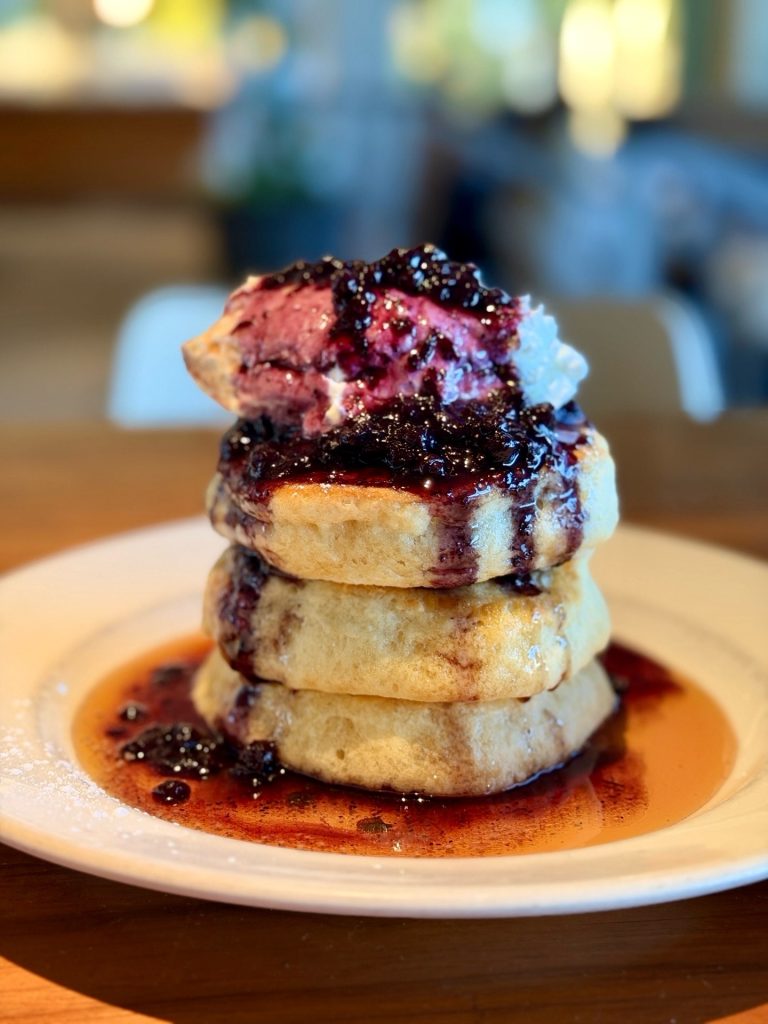
The neighborhood thrives on daily rituals. Residents line up for Sunday brunch, at hotspots like Mildred’s Temple Kitchen, fill the patios along Hanna Avenue, and spend the day at their favorite coffee shops.
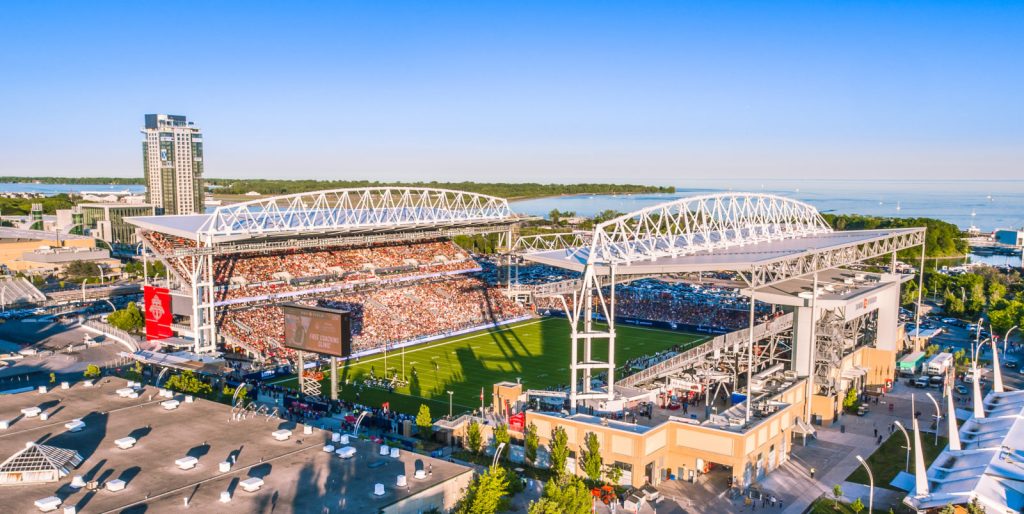
Liberty Village also commands attention on the global stage. Its location next to Exhibition Place makes it the official “front porch” for Toronto’s biggest moments. When Toronto FC takes the pitch at BMO Field, a sea of red jerseys floods the local bars. This excitement will reach a fever pitch during the FIFA 2026 World Cup, as Liberty Village welcomes fans from around the globe for Canada’s historic opening match.
A New Kind of Freedom
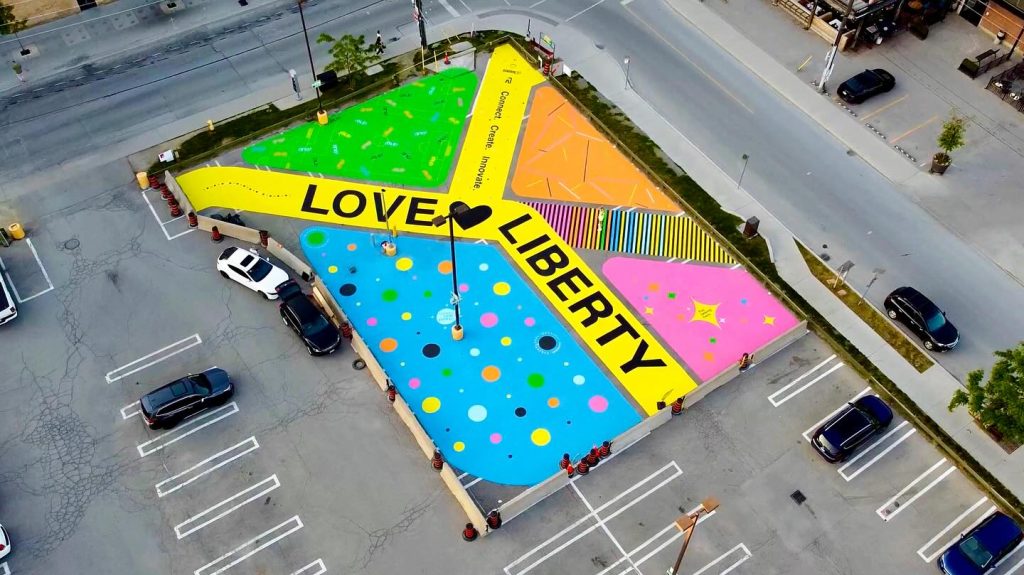
The meaning of “liberty” has evolved. It no longer marks the moment a prisoner escapes the high walls. Instead, it represents the freedom to innovate, to connect, and to build a life in the heart of a world-class city. While the street names preserve the history of those who walked toward their freedom, the village itself looks firmly toward the future.