Maplewood Flats Conservation Area




Maplewood Flats Conservation Area
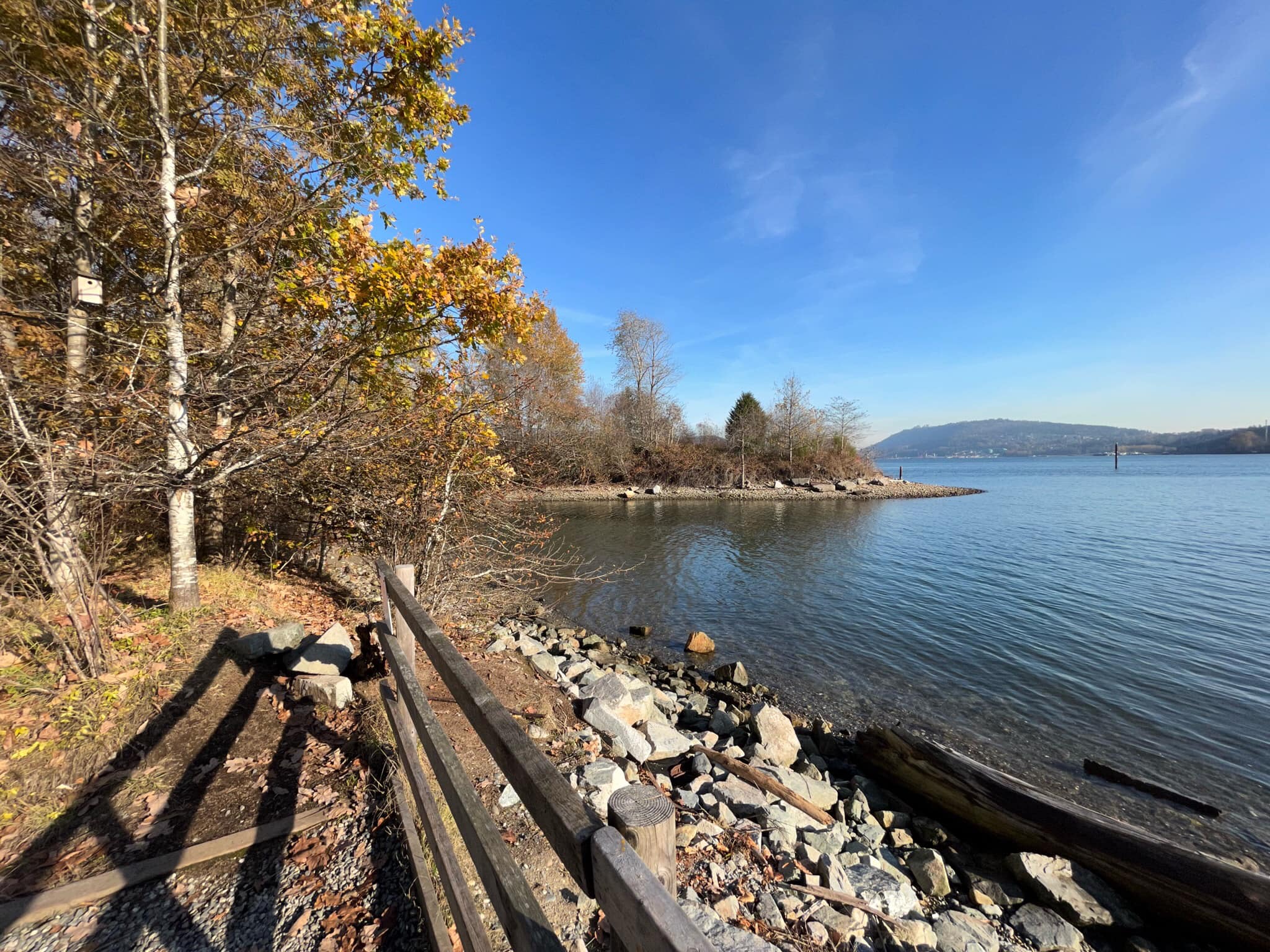
Maplewood Flats Conservation Area occupies a rare stretch of protected shoreline along Burrard Inlet where forest, marsh, and tidal mudflats meet the water. The landscape feels noticeably different from the mountain parks that dominate the North Shore. Instead of steep terrain and waterfalls, the environment unfolds slowly through wetlands. It also includes coastal forest and open tidal habitat. These areas shift with the movement of the sea.
The conservation area is managed by the Wild Bird Trust of British Columbia, whose work centres on habitat protection, bird conservation, and environmental education. Their presence shapes the experience of the park. Moreover, interpretive signage and viewing platforms guide visitors through sensitive areas. They also encourage careful observation of the wildlife that depends on the site.
A network of flat walking trails moves through alder and cottonwood forest before opening toward the shoreline. Along the way, quiet viewing areas overlook wetlands and mudflats. These places serve as feeding grounds for migratory birds traveling the Pacific Flyway. Bald eagles, great blue herons, shorebirds, and seasonal waterfowl are common sights. The area has long been considered one of the most reliable birdwatching locations within Metro Vancouver.
The shoreline itself changes dramatically with the tide. At low tide, wide mudflats extend far into Burrard Inlet, drawing flocks of birds that probe the exposed ground for food. When the water returns, the flats disappear beneath the surface. The inlet then reflects the mountains and city skyline beyond.
The experience encourages a slower pace than most urban parks. Visitors often move quietly along the trails, pausing at viewing towers or along the shoreline to watch the changing light and wildlife activity. The combination of wetlands, forest edge, and coastal views creates an ecosystem that feels unexpectedly rich. This richness is found so close to the city.
Maplewood Flats stands out not for dramatic scenery, but for the quiet complexity of its habitat and the chance to witness wildlife moving through a protected corner of the urban coastline.